






Tarnplanen: Complete Guide to Camouflage Tarpaulins for Outdoor Protection
Reviewed and last updated on August 13, 2026 by admin
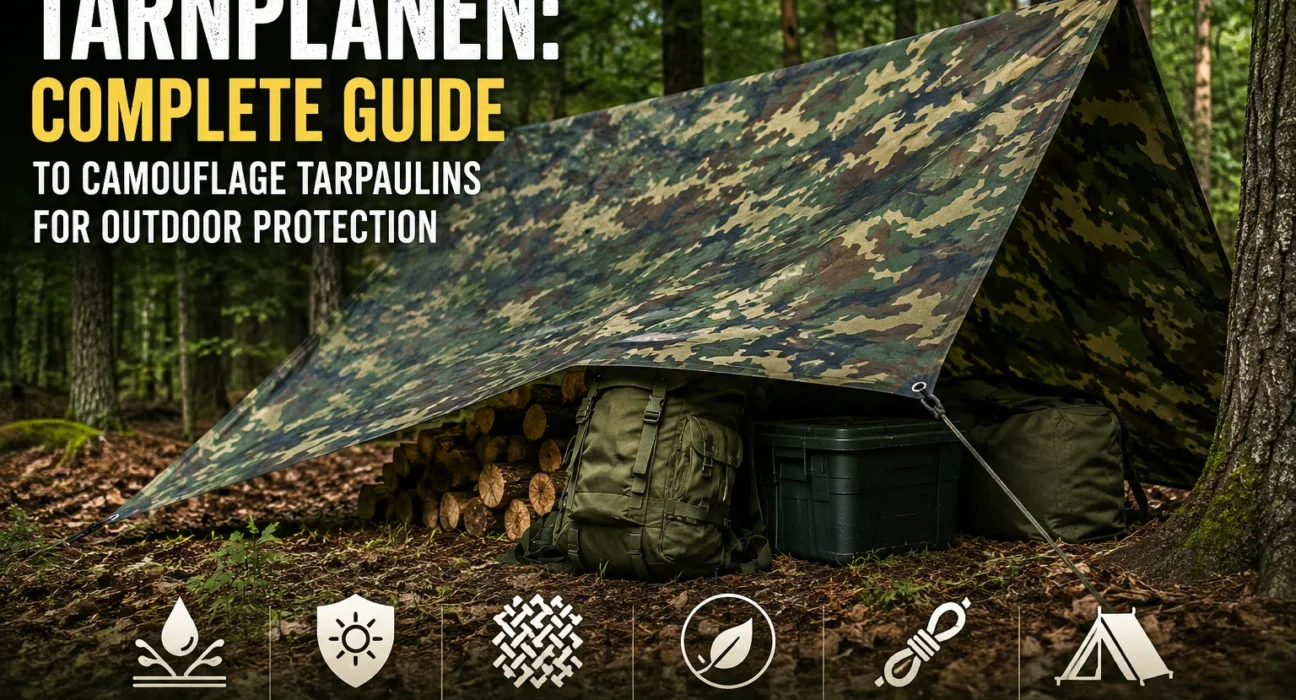
Tarnplanen are camouflage tarpaulins designed to cover, protect, hide, and shield items in outdoor spaces. They are used for camping, hunting, garden storage, vehicle protection, equipment cover, and many other outdoor tasks where both protection and low visibility matter. A good camouflage tarpaulin does more than cover something — it protects against rain, dust, sun, wind, and dirt while blending into natural surroundings.
| Quick Overview | Details |
|---|---|
| Main Topic | Tarnplanen and camouflage tarpaulins |
| Best For | Camping, outdoor storage, hunting, garden work, vehicle covers, equipment protection |
| Common Materials | Polyethylene, canvas, PVC, polyester |
| Key Features | Waterproofing, camouflage design, UV resistance, tear resistance, reinforced edges |
| Main Benefit | Protects items while helping them blend into outdoor surroundings |
| Best Use Areas | Forests, campsites, farms, gardens, workshops, construction areas |
| Buying Tip | Choose by size, material, thickness, eyelets, and weather resistance |
The word tarnplanen is often used for camouflage covers or camo tarps. They’re popular because they’re practical, easy to carry, and useful across a range of weather conditions — as a temporary shelter, a tool cover, a groundsheet, or a hidden storage solution.
What Are Tarnplanen?
Tarnplanen are outdoor covers with a camouflage pattern — commonly linked with camouflage tarpaulins, camo tarps, and outdoor concealment covers. They protect objects from weather while reducing visual attention, which sets them apart from plain blue, green, black, or clear tarps.
Most are made from strong woven material with a waterproof or water-resistant coating, with metal or plastic eyelets around the edges for tying down with rope, bungee cords, hooks, or straps. Many also have reinforced corners and sealed edges to resist tearing.
The camouflage pattern helps the tarp blend with trees, grass, soil, rocks, leaves, and outdoor shadows — useful for anyone who wants a cover that doesn’t stand out in a garden, campsite, woodland area, farm, or storage space. But tarnplanen aren’t only about hiding things — they’re also valued for being strong, flexible, and easy to set up as a roof, floor cover, side wall, rain shield, shade sheet, or storage cover.
Why Tarnplanen Are Useful
The main reason people use tarnplanen is protection. Rain causes rust and dampness, strong sun fades and weakens materials, and wind blows dust and debris onto equipment. A camouflage tarpaulin creates a protective layer against all of this.
Privacy is another reason. A bright cover draws attention in natural areas, while a camouflage cover blends in — useful for camping gear, tools, bikes, firewood, garden supplies, or outdoor furniture.
They’re also portable: most lightweight versions fold, roll, and pack into a bag, which makes them handy for travel, camping, fishing trips, and emergency use. Heavier versions suit long-term storage or tough weather but are still easier to handle than hard covers or fixed shelters.
Finally, they offer good value — one tarp can cover a trailer one day, act as a groundsheet the next, and become a temporary shelter on a trip. That multi-use nature makes tarnplanen a smart buy for anyone who spends time outdoors.
Common Uses of Tarnplanen
Camping. Campers use tarnplanen to shelter tents, protect the ground, cover firewood, or create a shaded sitting area. A camo tarp tied between trees makes a quick rain cover, keeping the campsite dry without looking artificially bright.
Garden and outdoor storage. They’re used to cover garden furniture, lawn tools, bicycles, plant pots, compost bags, wood piles, or outdoor machines — the camouflage pattern blends with plants, soil, and fences better than bright plastic sheets.
Hunting, wildlife watching, and photography. Staying unobtrusive matters here. A camouflage tarp can form a simple hide, cover equipment, or cut down glare from gear.
Farming, building, and outdoor work. Camouflage tarpaulins cover hay, tools, supplies, machinery, and materials, keeping items dry on rough ground — often faster and cheaper than building a temporary shed.
Vehicles and trailers. Tarnplanen protect motorbikes, small boats, quad bikes, trailers, and utility vehicles from rain and dirt, provided the size is right and the cover is tied down securely.
Types of Tarnplanen Materials
Polyethylene (PE) is light, affordable, and usually waterproof — good for camping, garden use, and general outdoor protection. Very thin versions can tear more easily under wind or rough handling.
Canvas is heavier and more breathable than plastic, and suits long-term use and outdoor work where durability matters. On its own, untreated canvas is only water-resistant — its fibers swell when wet to slow water penetration, not block it outright. Most canvas tarps are treated with wax or silicone-based coatings for better water resistance, and that treatment wears off over time and needs reapplying periodically.
PVC tarpaulins are strong, thick, and built for heavy-duty protection — handling rough use, rain, mud, and frequent movement better than lightweight covers, at the cost of extra weight. Good for storage, vehicles, work sites, and long-term outdoor use rather than backpacking.
Polyester is often found in outdoor shelters, tent covers, and camping gear — lightweight and strong, especially when coated for water resistance, and a good balance between packability and performance.
Waterproof vs. Water-Resistant
These terms are often used interchangeably, but they aren’t the same thing.
Water-resistant tarnplanen handle light rain and moisture but may not hold up against heavy or prolonged rain — fine for short outdoor tasks, shade, or dust protection, but water sitting on them for hours may eventually pass through or leak around seams.
Waterproof tarnplanen block water more effectively, usually through a coated surface and sealed edges, and suit camping shelters, storage covers, and rainy-weather use. Even so, setup still matters — see below.
How to Set Up Tarnplanen Properly
Good setup is what actually determines whether a tarp performs — even a waterproof one.
- Create a slope. Flat tarps collect water, and pooled water is heavy — it can sag, stretch, or tear the material and stress the seams. A sloped setup lets rain run off instead of collecting in the middle, and also cuts down on flapping in the wind.
- Secure it evenly. Spread tension across several tie-down points rather than pulling hard from one corner — this protects the eyelets and edges from being overstressed.
- Reduce rubbing. Contact with sharp corners, rough wood, metal edges, or stone wears a tarp down faster. Padding — even an old cloth, foam piece, or cardboard — helps.
- Leave airflow when needed. Covering damp items too tightly traps moisture, which leads to mold, rust, and odor. For long-term storage, leave small gaps for air while still keeping direct rain off.
This setup approach applies whether you’re covering a tent, a trailer, firewood, or equipment — the specifics below are mostly about sizing and material choice for each use case, not a different setup process.
How to Choose the Right Size
Measure the item or area you want to cover, then add extra on each side so the tarp can hang down or be tied off securely — covering only the top of something (like a firewood stack) leaves the sides exposed to wind-driven rain.
For camping, size to how many people need shelter and how the tarp will be pitched — a small tarp may suit one person’s gear, while a larger one suits a cooking area or group shelter. For vehicles, trailers, or equipment, cover the full length, width, and height, and avoid leaving sharp corners under tension; pad rough edges with cloth if needed.
Thickness and Weight
Thin tarps are easier to carry but don’t last as long; thick tarps are stronger but heavier and harder to pack. Lightweight tarps suit short camping trips and emergency use, where packability matters most. Heavier tarps suit garden storage, work sites, vehicles, and all-season use, where resistance to tearing and rough weather matters more than weight — and often save money over time by lasting longer.
Eyelets, Edges, and Reinforced Corners
Eyelets are the holes around a tarp’s edge used to tie it down. Strong eyelets matter because weak ones pull out under pressure. Metal eyelets are common, but plain steel ones can rust with repeated rain exposure and damp storage, weakening over time — brass or rust-resistant coated eyelets hold up better for long-term or all-weather use. Look for eyelets that are evenly spaced and firmly fixed.
Reinforced edges (folded, stitched, or welded) resist tearing, since edges take the most tension. Corners take the most stress from wind, so reinforced corners matter especially when tying to trees, poles, hooks, fences, trailers, or frames.
Camouflage Patterns and Outdoor Blending
The pattern isn’t just cosmetic — it affects how well the tarp visually blends in. Darker patterns suit forests; mixed green-brown tones suit gardens and woodland; grey, beige, or dry-grass tones suit rocky or open spaces. A good pattern breaks up the object’s outline, since solid shapes stand out more than broken ones in nature. Match the pattern to the dominant colors of where you’ll actually use it.
It’s worth noting that visual pattern is only part of staying unobtrusive around wildlife — sound and movement matter more to most animals than color. See the hunting and wildlife-watching notes below.
Tarnplanen for Camping
Tie the tarp above your tent for extra rain protection and shade, creating a small dry space near the entrance for shoes and gear. Alternatively, rig a tarp shelter between trees or poles for a covered sitting or cooking area — some campers pair tarnplanen with hammocks for rain and wind protection, or use them as groundsheets under tents to cut moisture from below.
Follow the setup principles above (sloped, evenly tied, not overstretched), and keep the tarp well clear of open flames, since many tarp materials can melt or burn.
Tarnplanen for Garden and Home Use
For garden furniture, use a tarp that covers the full item and reaches below seat level, tied down so wind can’t lift it — if the furniture is damp before covering, leave some airflow to reduce trapped moisture. For firewood, cover just the top while leaving the sides open, since wood needs airflow to stay dry and avoid mold. For tools and machines with sharp parts, use a thicker tarp or a soft layer underneath to prevent wear.
Tarnplanen for Work Sites and Equipment
Waterproofing matters most here — cement bags, timber, insulation, and metal parts are all vulnerable to moisture damage. Use a heavy-duty tarp with strong eyelets for machines and equipment, since sharp corners and uneven shapes cause more rubbing; tie it firmly and check for water pooling on top. The camouflage pattern is a bonus here too, keeping a storage area looking tidier and less visually distracting.
Hunting, Wildlife Watching, and Photography
Material choice matters as much as pattern for this use. Some plastic tarps rustle or flap noisily in the wind, and most animals respond far more to sound and movement than to visual camouflage — so a quiet, low-flap material is often more useful than the pattern itself. That said, a matte finish is still worth choosing over a glossy one, since shine and reflection can catch the eye even at a distance. Think of the camo pattern as helping with close-range visual blending, not as a substitute for staying still and quiet.
How to Clean and Care for Tarnplanen
Water, a soft brush, and mild soap are usually enough — avoid strong chemicals, which can damage waterproof coatings or fade the pattern. Let the tarp dry fully before folding; storing it wet can cause mold, stains, and odor. Check eyelets and corners periodically, and repair small tears early with tarp tape or patches before they spread. Store folded loosely in a dry place, away from heavy sharp objects and, where possible, direct sunlight.
Common Mistakes to Avoid
- Buying the wrong size — always allow extra material for tying and side coverage, not just top coverage.
- Choosing too thin a tarp for heavy-duty use — fine for short trips, not for long-term outdoor storage or rough handling.
- Letting water pool on the tarp — even waterproof tarps can weaken under standing water; always angle the setup.
- Overtightening — this pulls out eyelets and tears edges. Firm, not drum-tight.
- Covering wet items with no airflow — traps moisture and causes mold or damage.
Tarnplanen vs. Regular Tarpaulins
The main difference is the camouflage design — regular tarps come in blue, green, black, white, silver, or clear, which can stand out in outdoor settings. Tarnplanen blend into natural surroundings instead, which suits gardens, campsites, farms, forests, and outdoor storage.
Performance-wise, material matters more than pattern. A camouflage tarp isn’t automatically stronger than a plain one — check thickness, coating, eyelets, and material type regardless of the print. A cheap thin camo tarp can be weaker than a heavy plain tarp; a high-quality camouflage tarpaulin offers both durability and a natural look.
Are Tarnplanen Good for Long-Term Outdoor Use?
Yes, if you choose the right type: strong waterproof material, UV resistance, reinforced edges, and rust-resistant eyelets. Setup matters even more for long-term use — keep it sloped, tied down evenly, and checked after storms or strong wind. No tarp lasts forever outdoors, but a good-quality one, set up correctly, will significantly outlast a thin temporary cover.
Emergency Use
Tarnplanen work as temporary roof covers, rain shelters, ground covers, wind barriers, or privacy screens, and can protect damaged areas until proper repairs are made. Outdoor travelers keep them as backup shelter if a tent fails, and they can also help collect rainwater or protect supplies in a pinch. Because they fold small, they’re worth keeping in vehicles, garages, sheds, and camping kits.
Best Features to Look For Before Buying
Prioritize build quality over pattern:
- Material — PE for light general use, PVC for heavy-duty, canvas for durability (with periodic re-waterproofing), polyester for camping and portable shelters.
- Waterproof rating — choose waterproof, not just water-resistant, if rain protection is the priority; look for UV resistance if it’ll sit in sunlight long-term.
- Eyelets — strong, closely and evenly spaced, ideally rust-resistant.
- Edges and corners — reinforced, especially for wind exposure or rough handling.
- Size and weight — large enough to do the job, not so large it becomes unmanageable.
Environmental and Safety Considerations
Don’t leave damaged tarps in nature — loose plastic pieces harm wildlife and create litter; dispose of unrepairable tarps according to local waste rules. When tying tarps to trees, use wide straps or soft rope rather than material that can cut into bark, and avoid cutting branches.
Keep tarps well clear of fire, stoves, heaters, and hot equipment, since many tarp materials melt, burn, or release fumes under heat. In strong wind, always tie the tarp down securely — a loose tarp can become a hazard if it blows away.
Simple Buying Guide by Use Case
- Camping — lightweight, waterproof, strong eyelets, packable size.
- Garden storage — medium-duty, UV-resistant, reinforced edges.
- Vehicles, trailers, machinery — heavy-duty waterproof material, sized to fully cover the item.
- Hunting, wildlife watching, photography — quiet, matte material over pattern alone.
- Emergency use — foldable, waterproof, rough-handling durable, kept with rope or bungee cords for quick setup.
FAQs
What does tarnplanen mean? It refers to camouflage tarpaulins or covers — outdoor sheets that protect items while blending into natural surroundings, used for camping, storage, garden work, hunting, and equipment cover.
Are tarnplanen waterproof? Many are, but not all — some are only water-resistant. Check the material, coating, and product details; for heavy rain or long-term storage, choose a waterproof tarp with reinforced edges.
Can I use tarnplanen for camping? Yes — as rain shelters, tent covers, groundsheets, wind barriers, shade covers, or gear protection. A lightweight waterproof tarp is usually easiest to carry and pitch.
What is the best material for tarnplanen? Depends on use: polyethylene for light/affordable general use, PVC for heavy-duty protection, canvas for durability (with periodic re-waterproofing), polyester for camping and portable shelters.
How do I stop a tarp from tearing? Choose reinforced edges and strong eyelets, tie it down evenly, avoid resting it on sharp corners, don’t overstretch it, and set it at an angle so water doesn’t pool.
Can tarnplanen be used all year? Yes, if made for outdoor weather — look for waterproof material, UV resistance, strong corners, and secure tie-down points, and check periodically for wear.
Final Thoughts
Tarnplanen are simple, flexible outdoor covers that protect items from rain, sun, dirt, and wind while helping them blend into natural surroundings — useful for camping, gardens, farms, vehicles, tools, work sites, and emergencies.
The best camouflage tarpaulin isn’t necessarily the thickest or most expensive — it’s the one that fits your purpose. Lightweight suits short trips; heavy-duty waterproof suits long-term storage; packability matters most for camping; strength and reinforced corners matter most for equipment. Before buying, check material, size, weight, waterproofing, eyelets, edges, and pattern — then set it up sloped, secured evenly, and protected from sharp edges.