






Global Teaching Labs: A Catalyst for Collaborative Education and Student Engagement
Reviewed and last updated on September 11, 2026 by admin
Introduction to Global Teaching Labs (GTL)
Imagine a classroom where students from different corners of the globe come together, sharing ideas and experiences that transcend borders. This is the essence of Global Teaching Labs (GTL). These innovative programs are transforming education by fostering collaboration, cultural exchange, and engagement among students and educators alike. GTL offers a unique platform for learners to connect with their peers worldwide, enhancing not just academic knowledge but also understanding and empathy in an increasingly interconnected world. As we explore this exciting initiative, you’ll discover how global teaching labs are reshaping learning experiences and paving the way for future generations to thrive collaboratively.
The Impact of GTL on Students and Educators
Global Teaching Labs have transformed the educational landscape for both students and educators. By fostering an immersive environment, GTL programs encourage learners to step outside their comfort zones. This hands-on approach enhances critical thinking and adaptability among participants.
Educators benefit as well. They gain fresh perspectives from international colleagues, sparking innovative teaching methods. Collaborating across cultures enriches lesson plans and broadens understanding of global issues.
Students often find themselves more engaged during these programs. The real-world application of knowledge makes learning exciting and relevant. Building friendships with peers from different backgrounds cultivates empathy and teamwork skills.
The impact extends beyond academics; it shapes character development too. Participants return home not just as better students but also as informed global citizens ready to tackle future challenges head-on. These experiences ignite a passion for lifelong learning that can last well beyond their time in the classroom.
Collaborative Learning and Cultural Exchange Opportunities
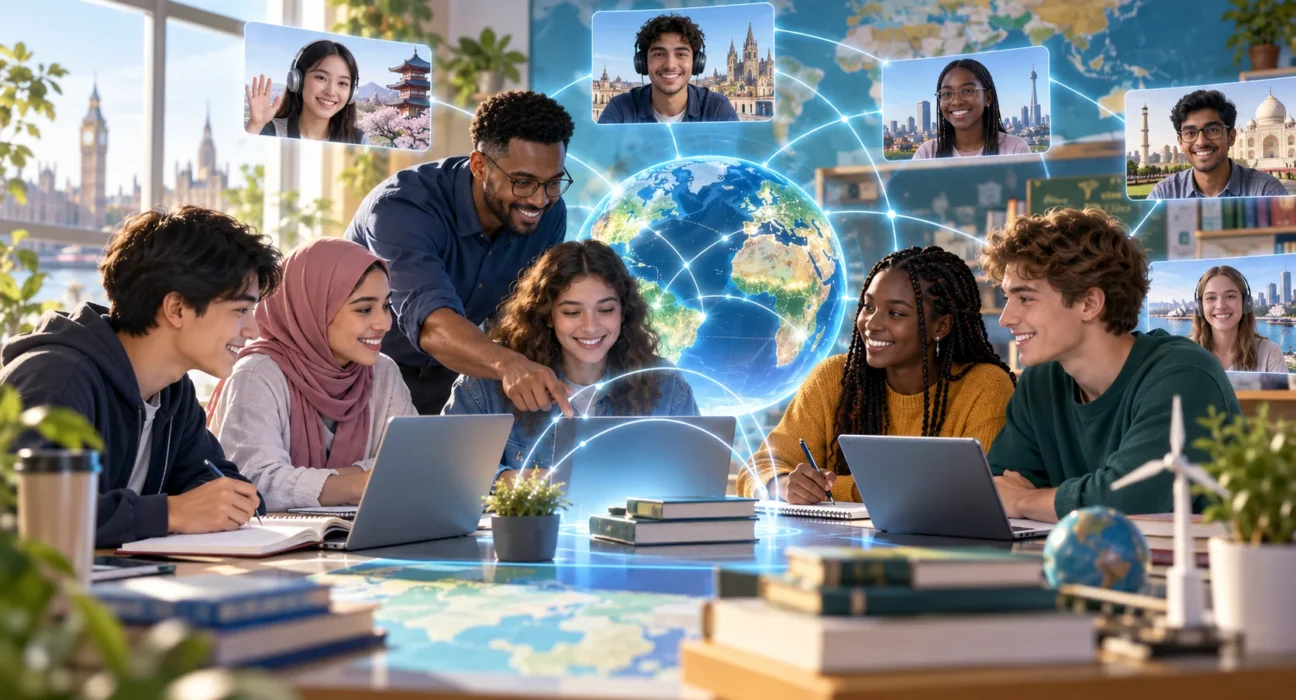
Global Teaching Labs foster environments where collaborative learning thrives. Students from diverse backgrounds come together, exchanging ideas and experiences that enrich their educational journey.
Working on group projects encourages teamwork and empathy. Participants learn to appreciate different perspectives while honing their problem-solving skills. These interactions break down cultural barriers, leading to deeper understanding and respect among students.
Cultural exchange opportunities are abundant. From sharing traditional practices to celebrating local customs, every interaction becomes a lesson in global citizenship. This exposure not only broadens horizons but also inspires creative thinking.
Moreover, technology plays a pivotal role in enhancing these exchanges. Virtual platforms allow for real-time collaboration across continents. Students engage with peers worldwide, making education more relevant than ever before.
The benefits of such immersive learning experiences extend beyond the classroom walls, preparing students for an interconnected world filled with possibilities.
Success Stories from Previous GTL Programs
Students from diverse backgrounds have thrived in Global Teaching Labs programs. One standout story comes from a group of students in Kenya, who collaborated with peers in the United States on environmental science projects. They exchanged innovative ideas that sparked local initiatives.
Another inspiring example emerged when educators from Brazil partnered with schools in Canada. They created an engaging curriculum focused on language learning and cultural appreciation. Students not only improved their language skills but also formed friendships that transcended borders.
In India, a GTL program brought together aspiring engineers from different countries to tackle real-world challenges. Their collaborative efforts led to inventive solutions for sustainable energy use within their communities.
These stories illustrate how Global Teaching Labs foster connections and ignite passion among students and educators alike, leading to meaningful educational experiences across the globe.
How to Apply for a GTL Program
Applying for a Global Teaching Labs program is an exciting process that opens doors to unique educational experiences.
Start by visiting the official GTL website, where you’ll find detailed information about various programs available worldwide. Each program has specific criteria and deadlines, so make sure to check those closely.
Prepare your application materials carefully. This typically includes a personal statement outlining your motivations and goals for participating in the program. Highlight any relevant teaching experience or skills that will contribute to your success.
Don’t forget to gather letters of recommendation from educators or colleagues who can vouch for your teaching abilities and commitment to global education.
Once you’ve submitted everything, be ready for potential interviews or follow-ups as part of the selection process. Stay engaged with updates on your application status, as communication can vary between programs.
Challenges and Solutions in Implementing GTL Programs
Implementing Global Teaching Labs (GTL) programs comes with its share of challenges. One major hurdle is securing funding and resources. Schools often operate under tight budgets, making it difficult to allocate money for international collaborations.
Another challenge involves logistical complexities. Coordinating travel, accommodations, and schedules can become a daunting task for educators. Miscommunication may arise between partner institutions in different time zones, further complicating the planning process.
Technology also plays a role in both facilitating and hindering GTL initiatives. Not all students have equal access to digital tools required for remote collaboration.
However, solutions exist to overcome these obstacles. Crowdfunding campaigns can engage communities and generate financial support. Establishing clear communication channels early on helps mitigate scheduling issues.
Moreover, investing in technology training ensures that all participants are equipped to navigate online platforms effectively. With strategic planning, many hurdles can be transformed into opportunities for growth.
Conclusion: The Future of Collaborative Education with Global Teaching Labs
The future of education is evolving, and global teaching labs are at the forefront of this transformation. As schools and educators embrace collaborative methodologies, they open doors to innovative learning experiences. These programs foster a sense of community among students from diverse backgrounds, encouraging them to learn not only from textbooks but also from each other.
By integrating technology and cross-cultural exchanges into their curriculum, educators can create a dynamic environment where students thrive. The skills gained through participation in global teaching labs—such as empathy, adaptability, and teamwork—are invaluable for navigating an increasingly interconnected world.
As more institutions recognize the benefits of GTL initiatives, we can expect an expansion in opportunities for both teachers and learners worldwide. This shift promises richer educational landscapes that value collaboration over competition. Engaging with different cultures will continue to shape young minds so they grow into informed global citizens ready to tackle the challenges ahead.
The potential impact on student engagement cannot be underestimated. With every new program launched, there’s hope for brighter futures filled with understanding and cooperation across borders. Global teaching labs represent not just a trend but a necessary evolution towards inclusive education that prepares tomorrow’s leaders today.