






Is Pasta Healthy or Unhealthy Food? Nutritionists Explain
Reviewed and last updated on June 27, 2026 by admin
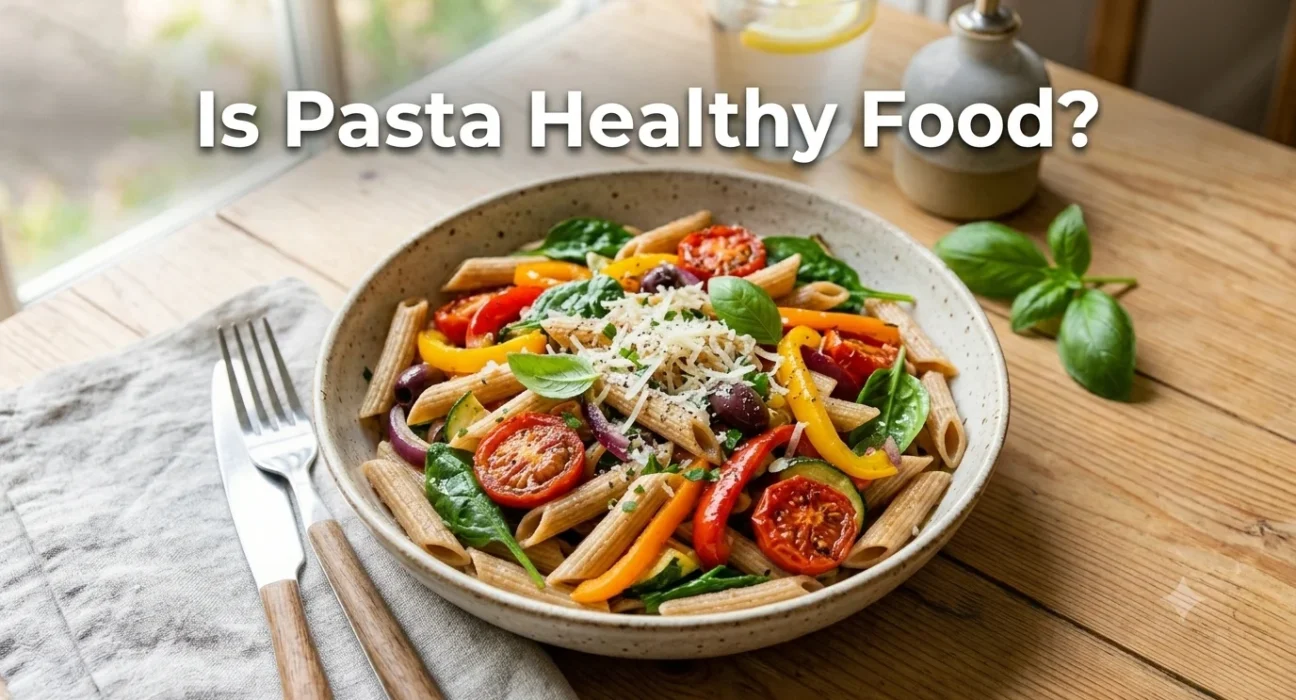
Pasta can absolutely be a healthy food when eaten in moderation. Registered dietitians agree that pasta isn’t fattening on its own, A one cup serving offers 8 grams of protein and just 220 calories. Paired with vegetables and lean protein, and cooked al dente, pasta fits beautifully into a balanced diet.
Let’s settle this once and for all, shall we? Pasta has spent years on the naughty list of foods, blamed for everything from weight gain to blood sugar spikes. But is that reputation actually deserved?
Here’s the good news for everyone who loves a big bowl of spaghetti. The experts say pasta has been getting a bad rap. When you understand what’s really in your noodles and how to enjoy them. You’ll see that pasta can be a genuinely nourishing part of your meals.
In this post, we’ll break down the nutrition facts, compare white pasta with whole wheat, explore how pasta affects your blood sugar, and reveal exactly when pasta is healthy food (and when it isn’t). Grab a fork and let’s dig in!
What are the Carbs, Calories, Fiber, and Protein in Pasta?
Let’s start with the numbers, because they tell a surprisingly cheerful story.
A single cup of cooked pasta contains about 220 calories, 8 grams of protein, and 2.5 grams of fiber, according to Consumer Reports. That same serving delivers 26% of your daily value for folate and 10% for iron, not bad for a humble plate of noodles!
Standard pasta is made from refined wheat flour, along with eggs and water. Standard pasta is made from refined wheat flour, what we often call white flour, says Carrie Dennett, MPH, RDN, a Pacific Northwest-based registered dietitian and owner of Nutrition by Carrie. Because the bran and germ are removed during processing, refined pasta is lower in fiber. But here’s the silver lining, Many white pasta brands are enriched with iron and B vitamins, including folate.
According to Michelle Saari, MSc, RD, founder of The Dietitian Prescription, pasta provides roughly 9% of your daily iron, 6% magnesium, and 5% of your vitamin B6. Pasta is not a major source of vitamins, but it does have some in smaller amounts, Saari explains.
And those carbohydrates everyone worries about? They’re actually your body’s primary fuel source. When you eat pasta, your body breaks down the carbs into glucose, which your cells use for energy. This is exactly why marathon runners load up on pasta the night before a big race! Pasta is high in starch, which is a good source of slowly digested energy for athletes, says Julie Stefanski, MEd, RDN, CSSD, a national media spokesperson for the Academy of Nutrition and Dietetics.
Is White Pasta or Whole Wheat Pasta Healthier?
This is the big question, and the answer comes down to fiber.
White pasta is made from wheat flour that’s had the fiber-rich bran and germ stripped away during processing. Whole-wheat pasta, on the other hand, is made from the entire wheat kernel, Which means it holds onto all that good-for-you fiber.
The difference is significant. One cup of whole-wheat spaghetti has more than 4 grams of fiber, compared with about 2 grams for an equivalent portion of refined enriched spaghetti, Dennett says. That’s roughly double the fiber!
Why does fiber matter so much? It keeps you feeling full, adds bulk to your meal, and takes longer to digest. As Saari puts it, fiber helps slow the release of glucose in pasta, which benefits your blood sugar and energy levels.
The U.S. Department of Agriculture recommends that half of the grains you eat each day should be whole grains. Whole grains naturally contain more fiber, more B vitamins and are broken down more slowly in the body than refined grains, Stefanski says.
Choose whole-wheat pasta if boosting your fiber and steadying your blood sugar are your top priorities. The great news? Today’s whole-wheat pastas taste much better than the chalky versions of years past. But if you genuinely prefer the taste of regular pasta, don’t stress you can simply get your whole grains elsewhere, like barley or oats, Stefanski suggests.
Craving more fiber and protein? Chickpea and lentil pastas are wonderful options too. They aren’t low-carb, but they pack a serious nutritional punch and taste delicious.
How Does Pasta Affect Your Blood Sugar?
Here’s where pasta surprises a lot of people.
Despite being a carbohydrate, pasta has a relatively low glycemic index (GI) a measure of how quickly a food raises your blood sugar. The secret lies in how pasta is made. The starches and protein in durum wheat are bound together, so your body takes longer to digest it.
Pasta can help you feel fuller than white rice or white bread, says Mengxi Du, PhD, a postdoctoral researcher at the Harvard T.H. Chan School of Public Health. Because pasta digests slowly, your blood sugar stays steadier, which benefits both your weight and your overall health.
Want to keep that GI low? Cook your pasta al dente! The average GI of al dente penne is around 50 even lower than oatmeal or many whole-grain breakfast cereals. Pasta cooked al dente is tender but still slightly firm to the bite, which means we digest the carbs in it more slowly, Dennett explains. Overcooking your pasta until it’s soft and mushy actually raises the GI, so resist the urge to leave it boiling too long!
The research backs this up beautifully. A review of 38 studies found that pasta is either inversely associated or not associated at all with being overweight or obese in healthy children and adults. And a 2016 study published in Nutrition & Diabetes found that people who ate pasta as part of a Mediterranean diet had lower body mass indexes and smaller waistlines than those who didn’t.
So, is Pasta Healthy or Unhealthy? The Verdict
Time for the moment of truth! The honest answer is that pasta is healthy But it all depends on how you prepare and enjoy it.
Pasta is a healthy food when you:
- Cook it al dente. Firm noodles keep the glycemic index low and keep you satisfied longer.
- Mind your portions. A serving is about 2 ounces dry, or 1 cup cooked, roughly the size of a baseball. Pasta isn’t deserving of its rep as a fattening food, says Erin Morse, RD, chief clinical dietitian at UCLA Health Center.
- Build a balanced plate. Pair your pasta with lean protein and plenty of vegetables. This combination helps you absorb carbs more slowly and stay full for longer.
- Choose lighter sauces. Reach for tomato-based sauces or a drizzle of olive oil rather than heavy, cream-based options loaded with calories and fat.
Pasta becomes less healthy when you:
- Pile on enormous portions
- Drown it in rich, creamy sauces
- Overcook it into a mushy mess
- Eat it without any protein, fiber, or veggies to balance things out
The evidence is genuinely encouraging. A national survey analysis found that pasta eaters actually had higher intakes of fiber, folate, iron, magnesium, and vitamin E than non-eaters. As Dennett wisely reminds us, Remember that not every food we include has to hit a nutritional home run. A diet that includes a lot of nutrient-rich whole or minimally processed foods has room for foods that are more neutral nutritionally.”
Enjoy Uour Pasta with Confidence
So go ahead and twirl that fork with zero guilt! Pasta isn’t the villain it’s been made out to be. When you cook it al dente, watch your portions, and pair it with colorful vegetables and lean protein, pasta becomes a satisfying, nourishing part of a balanced diet, just as it has been in Mediterranean kitchens for generations.
The smartest next step? Try swapping in whole-wheat or chickpea pasta on your next grocery run for an easy fiber and protein boost. Then build yourself a beautiful, balanced bowl and savor every bite. Buon appetito!
Frequently Asked Questions
Is pasta good for weight loss?
Pasta can fit into a weight-loss plan when eaten in appropriate portions. A review of 38 studies found pasta is not associated with weight gain in healthy adults, and one 2016 study linked pasta within a Mediterranean diet to lower BMIs and smaller waistlines. Stick to about 1 cup cooked, and pair it with vegetables and lean protein.
How much pasta is a healthy serving?
A standard serving of pasta is about 2 ounces dry, or roughly 1 cup cooked, about the size of a baseball. Dietitians recommend measuring your pasta rather than guessing, since portion sizes vary by shape.
Is whole wheat pasta really better than white pasta?
Whole-wheat pasta contains more than 4 grams of fiber per cup, compared with about 2 grams in refined white pasta. It also has more B vitamins and digests more slowly, which helps steady blood sugar. That said, white pasta is often enriched with iron and folate, so it still offers nutritional value.
Does pasta raise your blood sugar?
Pasta has a relatively low glycemic index around 50 for al dente penne, which is lower than white rice, white bread, and even some whole-grain cereals. Cooking pasta al dente and pairing it with protein and fiber helps keep blood sugar levels steady.
Can people with diabetes eat pasta?
Many people with diabetes can enjoy pasta in moderation thanks to its relatively low glycemic index. Choosing whole-wheat, chickpea, or lentil pasta, cooking it al dente, watching portions, and pairing it with protein and vegetables all help manage blood sugar. Always consult your healthcare provider for personalized guidance.
This article is for informational purposes only and isn’t intended as medical or nutritional advice. Everyone’s dietary needs are different, so please consult a registered dietitian, doctor, or other qualified healthcare professional before making changes to your diet, especially if you have diabetes, food allergies, or any other health condition.