





What Is Fanquer? Meaning, Uses, Examples, and Why People Search It
Reviewed and last updated on July 7, 2026 by admin
Imagine coming across a word online that appears everywhere, but when you search for its meaning, you find different explanations and no clear answer. This is exactly what happens with the term Fanquer.
Some people discover it through online communities, creator discussions, or digital trend searches. Others wonder whether it is a new platform, a brand name, a social media concept, or simply an emerging internet term.
The interesting thing about Fanquer is that its meaning is still developing. Unlike established words that have a fixed definition, Fanquer represents the way language changes in the digital age. New terms often appear when online behaviors change, and communities create new ways to describe those behaviors.
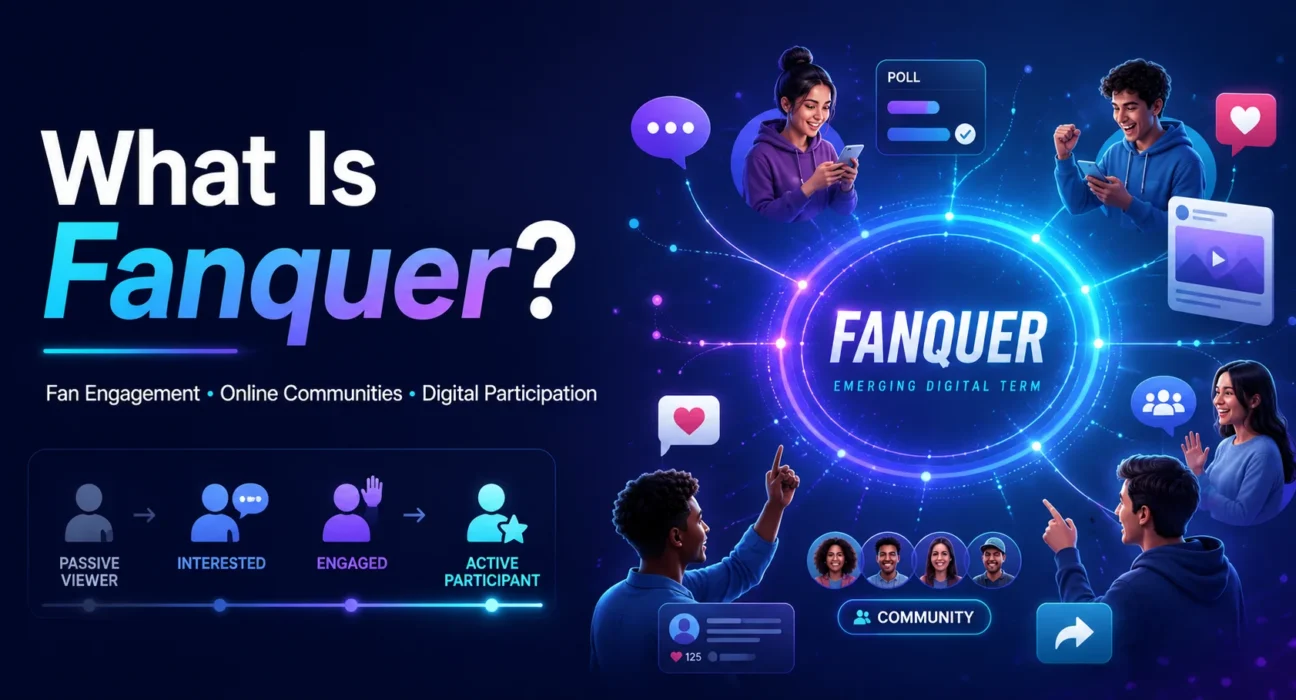
At its core, Fanquer is generally associated with fan participation, online engagement, and digital communities. It describes the idea that audiences are no longer just passive viewers. Instead, they interact, contribute, share opinions, and become active parts of the communities they follow.
However, because Fanquer does not have one universally accepted definition, its meaning depends on the context in which it is used.
Quick Overview of Fanquer
| Category | Details |
|---|---|
| Name | Fanquer |
| Type | Emerging digital term |
| Simple Meaning | A concept connected with fan participation, online engagement, and community involvement |
| Common Use | Describing active audience participation instead of passive content consumption |
| Related Searches | Fanquer meaning, what is Fanquer, fan engagement, online communities |
| Main Idea | Turning followers and fans into active contributors |
| Main Challenge | The term does not have an official fixed definition |
What Is Fanquer?
Fanquer is an emerging digital term often connected with the idea of active fan involvement. It refers to situations where audiences do more than simply watch or follow content.
Traditional online audiences usually consumed content by viewing videos, reading posts, or following creators. Modern digital communities work differently. Fans now comment, participate in discussions, share ideas, create their own content, vote in polls, and influence future decisions.
In this sense, Fanquer can be understood as a way of describing interactive fan behavior and community-driven engagement.
For example, a creator who asks followers to choose the topic of their next video is encouraging Fanquer-style participation. The audience is no longer only receiving content; they are helping shape it.
Because Fanquer is not a recognized dictionary term, it should not be treated as a confirmed platform or official technology. Instead, it is better understood as a flexible online concept related to digital participation.
Why Are People Searching for Fanquer?
The growing interest in Fanquer comes from curiosity. Many users encounter the term online but cannot immediately understand what it means.
People usually search for phrases like:
- What is Fanquer?
- Fanquer meaning
- Is Fanquer a website or platform?
- How does Fanquer work?
This happens often with new internet terms. Digital culture changes quickly, and new words appear before they become widely recognized.
Another reason behind the searches is that businesses, creators, and marketers are increasingly focused on building communities. The internet has moved beyond simple content publishing. Today, success often depends on how strongly people connect, interact, and participate.
Fanquer represents this broader shift from audience consumption to audience involvement.
The Background and Evolution of Fanquer
The exact origin of Fanquer is unclear. It does not appear to have a long history as a traditional English word. Instead, it seems connected to modern digital language, where new terms are often created to describe changing online behaviors.
The word appears to combine ideas related to fans and engagement. This connection makes sense because modern communities depend heavily on interaction between creators, brands, and audiences.
Many digital terms follow a similar path. They begin as uncommon expressions, gain attention through online discussions, and gradually develop clearer meanings as more people use them.
Fanquer may continue evolving depending on how communities, marketers, and online platforms adopt the term.
How Does Fanquer Work?
Fanquer can be understood as a process where followers become active participants in a digital community.
1. Content or Ideas Are Shared
The process usually starts when a creator, brand, or online community shares something with its audience.
This could include:
- Videos
- Social media posts
- Product updates
- Live streams
- Polls
- Discussions
- Creative challenges
The goal is not only to provide information but also to encourage interaction.
2. Fans Participate and Respond
Instead of simply viewing content, users become involved.
They may:
- Leave comments
- Share opinions
- Create related content
- Vote on decisions
- Ask questions
- Recommend improvements
This participation creates a stronger connection between the audience and the creator or brand.
3. The Community Becomes More Interactive
When people feel their opinions matter, they are more likely to stay involved.
A strong community is built through conversations and shared experiences rather than one-way communication.
4. Feedback Helps Improve Future Content
Creators and businesses can use audience responses to understand preferences, improve products, and create better experiences.
This makes Fanquer valuable as a concept because it highlights the importance of listening to audiences.
Key Features of Fanquer
Active Audience Participation
The main idea behind Fanquer is involvement. Fans are not simply consumers; they actively contribute to conversations and communities.
This participation can include comments, reviews, discussions, creative work, and feedback.
Community Connection
Online communities become stronger when members feel connected.
Fanquer reflects the idea that people want to belong to groups where they can share interests and interact with others who have similar passions.
Digital Identity and Branding
Because Fanquer is a unique term, it has potential as a digital identity. New words are often used for websites, projects, communities, and online brands because they are memorable and easier to differentiate.
However, whether Fanquer becomes a widely recognized brand or remains a general digital term depends on future usage.
Flexible Interpretation
One important characteristic of Fanquer is that its meaning is flexible.
It may appear in discussions about:
- Social media
- Creator economy
- Entertainment communities
- Marketing
- Online platforms
The meaning may slightly change depending on the situation.
Benefits of Fanquer
Although Fanquer is still an emerging concept, the ideas connected with it provide several advantages for online communities.
Stronger Audience Engagement
Encouraging participation helps creators and brands build deeper relationships with their audiences.
People are more likely to support communities where they feel involved.
Increased Trust and Loyalty
When followers feel heard, they often develop stronger connections with creators and businesses.
Interaction creates a sense of belonging.
More User-Generated Content
Active communities often create additional content, including:
- Reviews
- Social media posts
- Reactions
- Discussions
- Creative contributions
This can increase visibility and strengthen community growth.
Better Feedback
Audience participation provides valuable insights.
Creators and brands can understand what people enjoy, what needs improvement, and what type of content they want next.
Limitations and Concerns About Fanquer
The biggest limitation of Fanquer is that the term does not have a universally accepted definition.
Because of this, some users may misunderstand it. They may assume it refers to a specific company, application, or established platform.
Another concern is that some websites may use emerging terms only to attract search traffic without providing meaningful information. This can create confusion and reduce user trust.
For content creators and marketers, the best approach is transparency. Fanquer should be explained as an emerging concept rather than presented as a confirmed technology or official movement.
Examples of Fanquer in Real Life
Fanquer-style participation can be seen in many online environments.
Creator Communities
A YouTuber asking followers to select the next video topic is an example of active audience involvement. Fans influence the direction of future content.
Brand Communities
A company asking customers to suggest new product ideas or share experiences creates a stronger relationship with its audience.
Entertainment Spaces
Fans who create memes, reviews, reaction videos, discussions, and fan artwork are actively contributing to a community.
Social Media Groups
Online groups, forums, and live discussions also show Fanquer-style behavior because members actively participate instead of simply consuming information.
Fanquer and the Future of Digital Communities
The internet continues to move toward participation-based experiences.
People increasingly want interaction, recognition, and connection. They do not just want to follow creators or brands; they want to feel like they are part of the journey.
This shift is especially visible in:
- Creator economies
- Social media communities
- Gaming groups
- Brand loyalty programs
- Online memberships
Whether Fanquer becomes a widely used term or remains a niche expression, the behavior behind it is already shaping the future of digital communication.
The importance is not only the word itself but the idea it represents: audiences becoming active participants.
Frequently Asked Questions About Fanquer
What does Fanquer mean?
Fanquer is an emerging digital term generally associated with fan participation, online engagement, and community involvement. It does not have one officially recognized definition.
Is Fanquer a real word?
Fanquer appears online as a modern digital term, but it is not currently a standard dictionary word.
Why do people search for Fanquer?
People search for Fanquer because they encounter the term online and want to know whether it refers to a platform, brand, trend, or digital concept.
Is Fanquer the same as fan engagement?
Not exactly. Fan engagement is an established term describing interaction between audiences and creators or brands. Fanquer is a newer and less defined term connected with similar ideas.
How can Fanquer help businesses?
The ideas behind Fanquer can help businesses understand the importance of community building, customer interaction, and audience participation.
Where is Fanquer commonly used?
Fanquer is mainly discussed in relation to online communities, social media, digital trends, and creator-focused discussions.
Final Thoughts
Fanquer represents an interesting example of how digital language evolves. As online communities become more interactive, new words emerge to describe changing behaviors.
While Fanquer does not currently have one official definition, it is commonly connected with the idea of active fan participation, digital communities, and audience engagement.
The key idea behind Fanquer is simple: people no longer want to be only spectators. They want to participate, contribute, and feel connected.
As the internet continues to become more community-driven, concepts like Fanquer may become increasingly relevant in understanding how creators, brands, and audiences interact online.